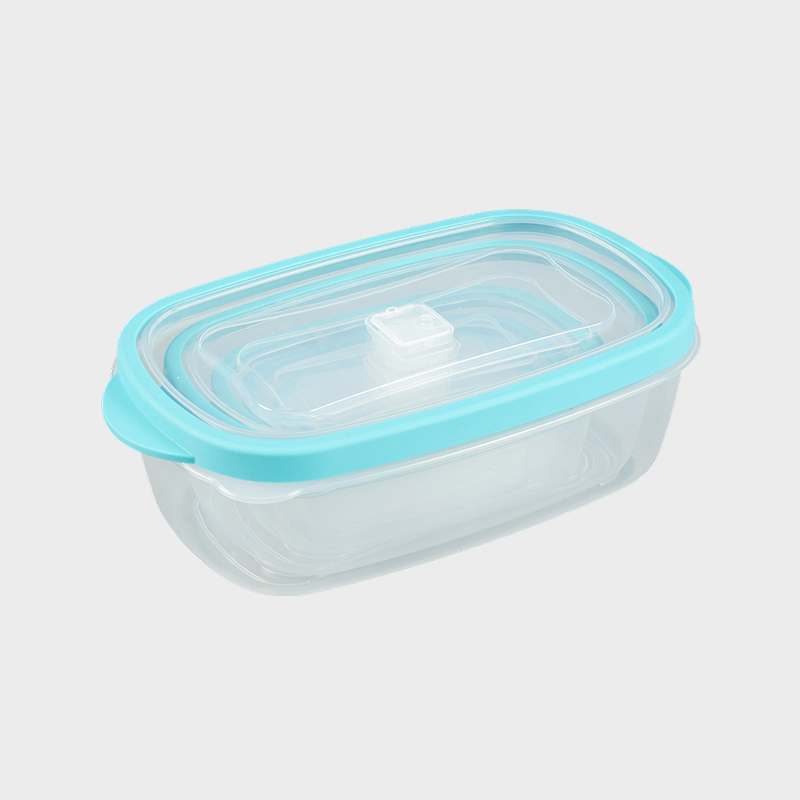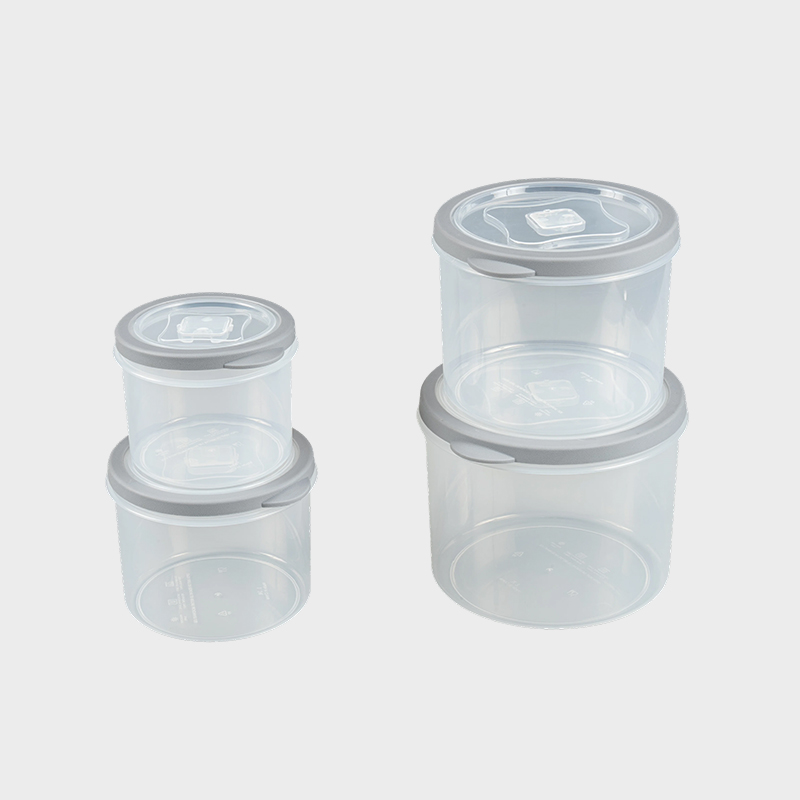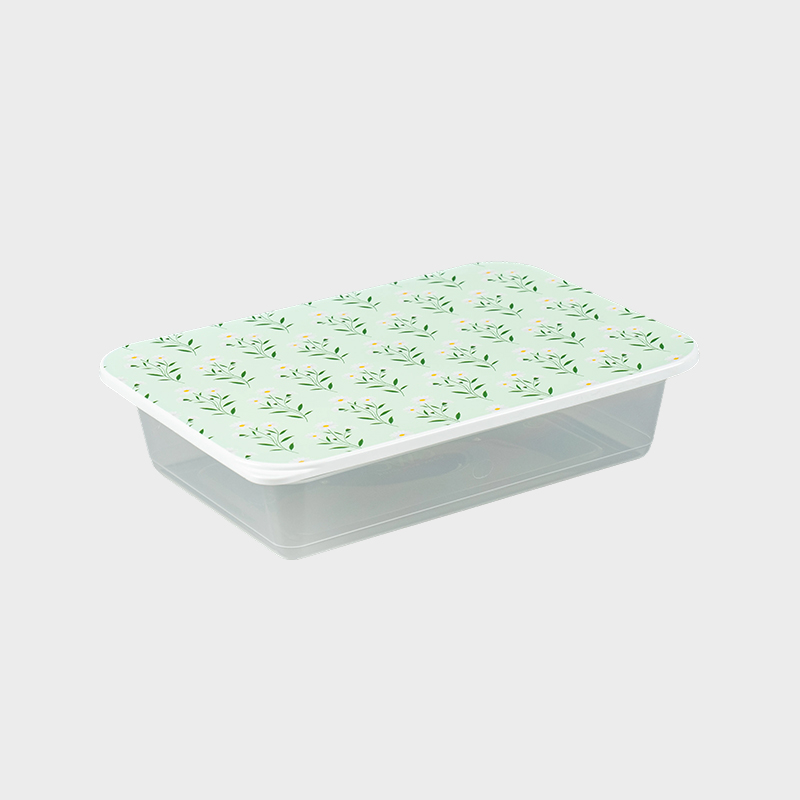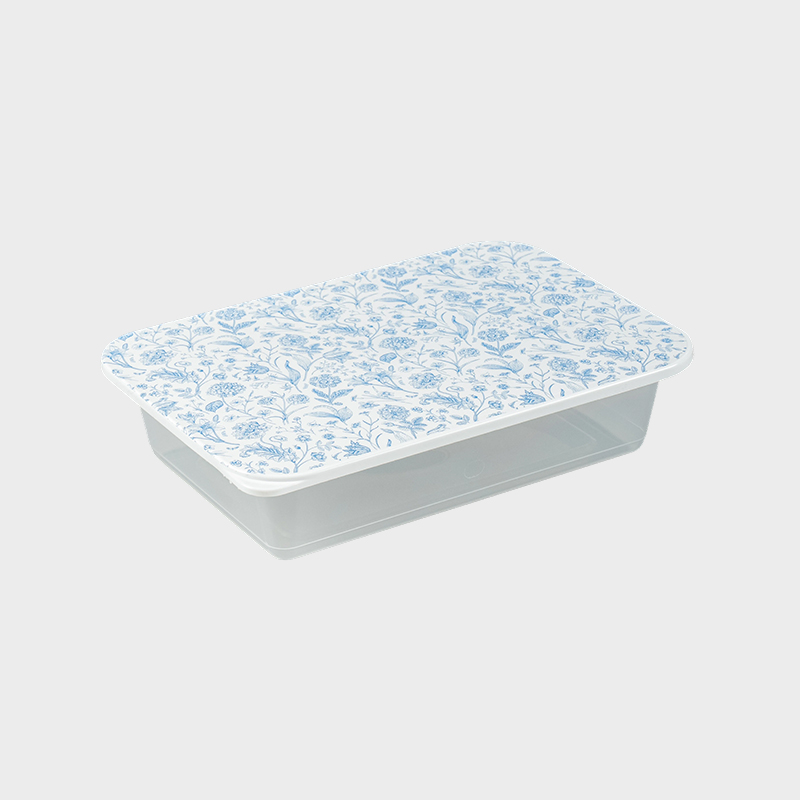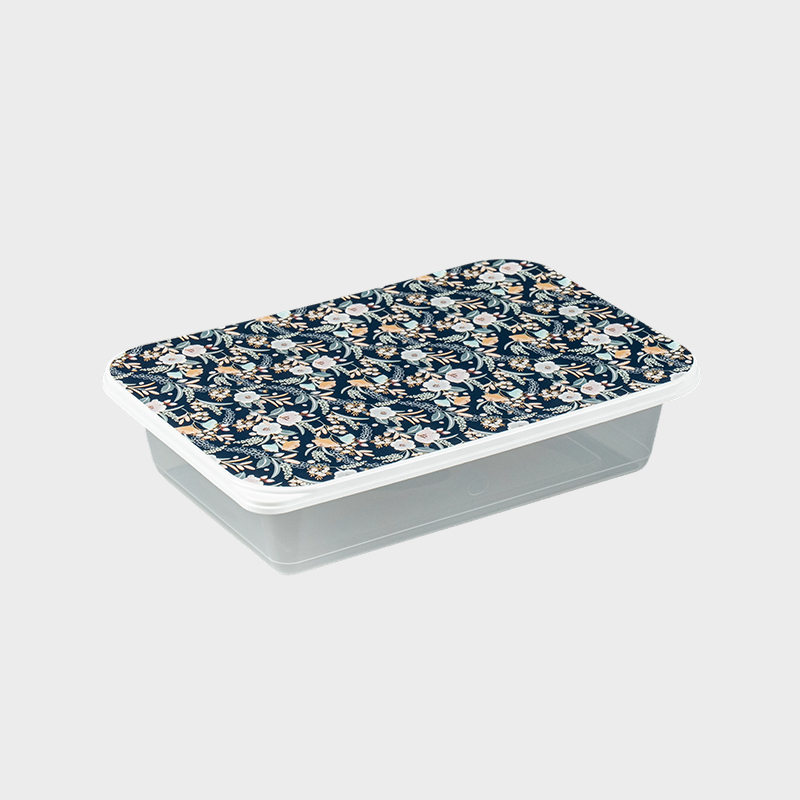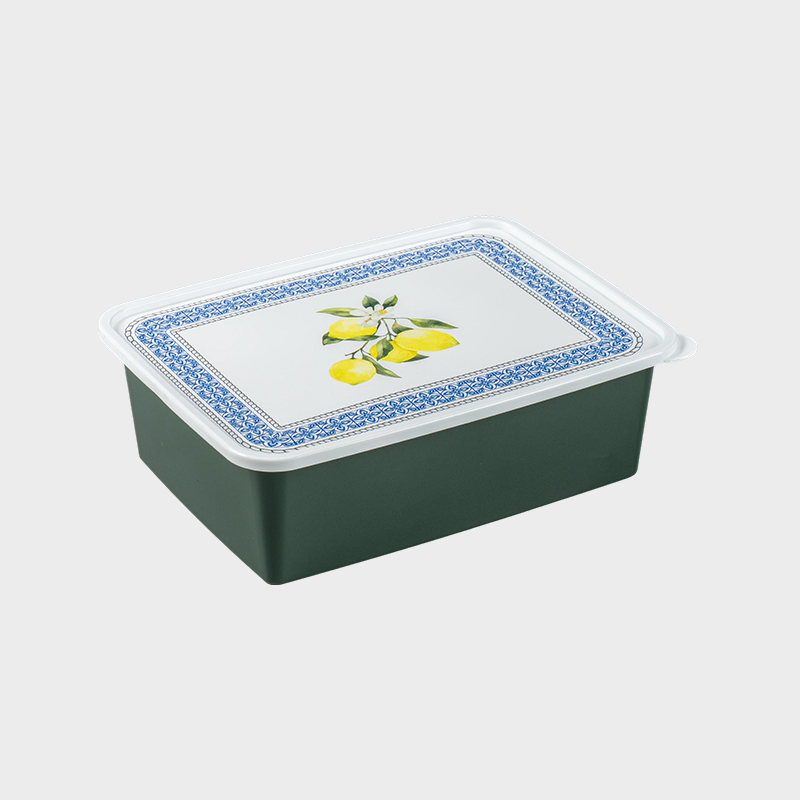


Is coimeádáin iad coimeádáin phlaisteacha saincheaptha múnlaí de réir na hoibre - cruth, ábhar, dath, brandáil, agus dearadh clúdaigh - le haghaidh úsáidí ó phacáistiú bia agus ullmhúcháin béilí go stóráil agus taispeáint miondíola. Is é an bealach is tapúla chun soláthar iontaofa a dhéanamh ná oibriú le monarchan a chomhcheanglaíonn múnlaí intí, eolas ábhar teagmhála bia, agus táirgeadh OEM/ODM. Seo treoir phraiticiúil chun an chuid riachtanas a shainiú, monarchana a mheas, agus na botúin choitianta is cúis le nó róchaiteachas a sheachaint.
Cad a Áireamh mar Choimeádán Plaisteacha Saincheaptha?
Tosaíonn coimeádán plaisteach saincheaptha le líníocht nó le sampla, ní leathanach catalóige. Déanann an mhonarcha múnla a thógáil nó a choigeartú chun toisí, tiús bhalla, cineál séala, stackability, agus brandáil mharcáil a shoilsiú.
I measc na gcineálacha coitianta coimeádáin phlaisteacha saincheaptha tá:
Boscaí ullmhúcháin béilí agus beir leat
Tráidirí urrann, boscaí lóin atá sábháilte ó mhicreathonnta, agus pacáistiú mearbhia indiúscartha.
Coimeádáin úra
Boscaí stórála bia aerdhíonacha, inghlasáilte le haghaidh cistineacha tí, tráchtála, agus pacáistiú táirgí.
Pacáistíocht císte agus milseog
Boscaí císte cruinn nó cearnacha soiléir le cláir ghlasála le haghaidh báicéireachta agus díolachán bácála.
Cupáin, plátaí, agus earraí freastal páirtí
Earraí saincheaptha, gloiní lámhaigh, agus plátaí maisithe le haghaidh imeachtaí agus lónadóireachta.
Boscaí bruscair stórála agus eagrúcháin
Boscaí deasc, deasc, agus stóráil tí stackable.
Má úsáidtear do tháirgeacht le bia, ní mór duit soláthraí a thuigeann caighdeáin teagmhála bia agus is féidir a tháirgeadh a mhaireann coinníollacha láimhseála iarbhír, ní hamháin breathnú go maith i rindreáil.
Príomhchinntí Agus Coimeádáin Plaisteacha Saincheaptha á nDearadh
Cinneann an t-ábhar, an múnla agus an chainníocht ordaithe an chuid is mó de do chostas aonaid agus d'am luaidhe. Déan na trí chinneadh seo a shocrú sula dtosaíonn tú ag caint le soláthar.
Roghnú Ábhar
Roghnaigh an roisín bunaithe ar shoiléireacht, caoinfhulaingt teocht, neart tionchair, agus costas. Botún coitianta é an t-ábhar is saoire a dhéanamh agus ansin teip ar thástálacha seilfré nó teasa.
| Ábhar | Úsáidí coimeádáin tipiciúla | Buntáistí tábhachtacha | Teorainneacha |
|---|---|---|---|
| PP (polapróipiléine) | Boscaí béilethonn, boscaí úra, coimeádáin ath-inúsáidte | Is féidir le tinted MICREATHONNACH-sábháilte, tuairimí ceimiceacha, saol hinge maith | Soiléireacht níos ísle ná PET nó PS |
| PET (poileitiléin teirephthalate) | Boscaí císte soiléir, pacáistiú taispeána, boscaí fuar-choinneála úra | Trédhearcacht ard, cuma comhsheasmhach, éasca le leasú | Friotalaíocht teoranta; ní hiondúil micreathonn-sábháilte |
| PS (polaistiréin) | Cupáin indiúscartha, plátaí, sceanra, coimeádáin aon úsáide | Stiff, ar chostas íseal, éasca le múnla | Brittle, tionchair lag |
| HDPE (poileitiléin ard-dlúis) | Boscaí bruscair stórála, coimeádáin thionsclaíocha, pacáistiú níos troime | Crua, resistant taise, in- athchúrsáilte | Níl sé chomh soiléir; snasta níos ísle |
Maidir le líne ullmhúcháin béile, is gnách gurb é PP grád bia an bunlíne thuaidh toisc go láimhseálann sé aththéamh. Maidir le pacáistiú bácála trédhearcach, tugann PET an bailchríoch soiléir, réidh a bhfuil súil leis. Is féidir leat múnla nua a chomhcheangal le formáidithe coimeádáin freisin - mar shampla, sábhálann tú ó choimeádán bia urrann dúbailte atá sábháilte ó mhicreathonn duit ar dhearadh róin agus insí agus tú ag díriú ar dhearadh saincheaptha.
Mhumhan agus Uirlisí
Is é an uirlisiú an costas tosaigh is mó, agus rialaíonn sé cruinneas gach píosa go díreach. Tá múnla aon-cuas breá le haghaidh tástála; tugann múnla ilchuas an praghas aonaid síos nuair a bhíonn na mílte páirteanna comhionanna ag teastáil uait.
Iarr ar an mhonarcha miondealú ar an gcostas múnla, lena n-áirítear líon na gcuas, grád cruach, am timthriall ionchas, agus sceideal cothabhála. D'fhéadfadh sé go gcosnódh uirlisiú do choimeádán beag le clúdach rómhúnlaithe níos lú ná mar a cheapann tú má tá a shiopa múnla féin ag an monaróir. Déanann uirlisí intí deisiúcháin dearaidh níos tapúla freisin.
Cainníocht Ordú Íosta (MOQ)
Teastaíonn MOQ don chuid is mó de ritheanna saincheaptha mar go dtógann an leagan amach agus an t-athrú datha fíor-ama meaisín. Sa mhéid is go laghdaítear an méid, ábhar, agus múnla casta, tá MOQ de 5,000 go 50,000 píosa, ag brath ar mhéid, ábhar agus casta.
Má tá do thabhairt tosaigh íseal, lorg soláthraí a stocálann gnáthchomhlachtaí coimeádán agus a crann duit an clúdach, an dath nó an dath a shaincheapadh ar dtús. Ansin is féidir leat an t-ordú a mhéadú nuair a dhéanfar eagrú bunaithe.
Conas Monaróir Coimeádán Plaisteacha Saincheaptha a Mheastóireacht
Is féidir leat a ghearradh go tapa trí réimse a dhéanamh: cumas uirlisí, deimhniú bia, rialú cáilíochta, agus cumas táirgthe. Is dócha go gcruthóidh soláthraí atá lag ar aon cheann díobh seo fadhbanna níos déanaí.
- Cumas uirlisithe: An ndéanann siad múnlaí a dhearadh agus a thógáil go hinmheánach? An féidir leo líníocht a dhéanamh le haghaidh monaraíochta?
- Deimhnithe: Cuardaigh ráitis teagmhála bia BSCI, FDA nó an AE, córais cháilíochta ISO 9001, agus doiciméid chomhlíonta ábhartha.
- Rialú cáilíochta: Fiafraigh faoi sheiceálacha ábhar ag teacht isteach, iniúchadh amhairc in-phróiseas, comhaireamh pacála, agus sampláil luchtóg roimh loingsiú.
- Cumas agus am luaidhe: An leo tiomantas a thabhairt do réamhaisnéis, lena n-áirítear an séasúr gnóthach? Tá an dara líne táirgeachta nó stóras tábhachtach nuair a thagann ordú luaith.
De ghnáth cuideachtaí monarchan iontaofa a staighre, a leagan amach saoráidí, agus próiseas go hoscailte. Bealach amháin chun é seo a thomhas ná athbhreithniú a dhéanamh ar an leathanach faoin monaróir féachaint cé mhéad sonraí a fhoilsíonn siad faoi oibríochtaí, córais cháilíochta, agus deimhnithe. Ba cheart duit an Ceisteanna Coitianta nó treoir ordaithe chun foghlaim faoi amanna luaidhe, samplaí, loingseoireachta, agus tacaíocht iar-díolacháin - má tá na freagraí doiléir, bí ag súil leis an leibhéal céanna soiléireachta le linn táirgeadh.
Ná roghnaigh ar luachanna bunaithe íseal amháin. Ina áit sin, déan comparáid idir costais uirlisí, praghsanna in aghaidh an aonaid do roisíní éagsúla, agus an chaoi a léiríonn gach monarcha do riachtanas maidir le comhlíonadh teagmhála bia.
Léiríonn raon reatha soláthraí freisin a aibíocht speiceas. Mar shampla, ar an mbealach coimeádáin stórála bia aerdhíonach dronuilleogach customizable a dhéantar - conas a laistíonn an clúdach, conas a fhanann an imeall fíor, agus conas a chruann na haonaid - a insíonn duit cé acu is féidir leis an monarcha lamháltais daingean a choinneáil ar do chuid páirteanna saincheaptha.
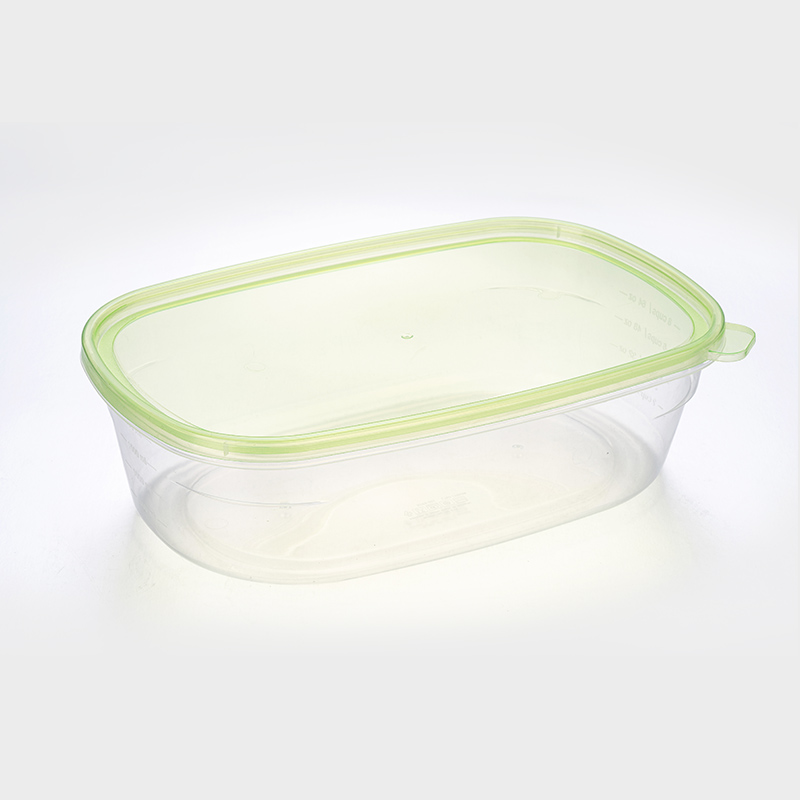 PFB015 Coimeádáin Stórála Bia Plaisteacha Dronuilleogach Aerdhíonach Customizable Manufac Is é Ningbo Panfeng Mold Plaisteacha monaróir na Gréine mórdhíola PFB015 Coimeádáin Stórála Bia Aerdhíonacha Dronuilleogach Aerdhíonta agus... Féach Táirge →
 An Próiseas Ordaithe ó Choincheap go Táirgeadh
Tógann ordú coimeádán saincheaptha ceithre nó ocht seachtaine tar éis ceadú múnla. Is é an t-ord thíos cad is féidir leat a bheith ag súil ó mhonaróir inniúil conartha.
- Seol achoimre le do líníochtaí, toisí, roisín sprice, deimhnithe riachtanacha, agus toirt measta bliantúil.
- Déanann an mhonarcha athbhreithniú ar an dearadh agus molann sé modhnuithe múnla a fhabhraíonn am timthriall nó a ghearrann dramhaíl ábhair.
- Iarrtar ort sampla a tháirgtear le huirlisiú trialach nó le fréamhshamhail 3D-phriontáilte, ag brath ar chomh casta is atá an chéimseata.
- Tar éis an dearadh-reo, gearrann an mhonarcha múnla cruach agus críochnaíonn trialacha uirlisí.
- Tosaíonn olltáirgeadh tar éis duit síniú a dhéanamh ar an sampla réamhtháirgthe, agus déantar cigireacht ar an láthair roimh an loingsiú.
Le linn an phróisis seo, is féidir leat táirgí atá ann cheana féin a úsáid mar thagarmharcanna amhairc le haghaidh bailchríoch dromchla agus cáilíochta cáilíochta. Más siopaí báicéireachta agus milseog an lucht leanúna do infheistíochtaí, taispeánann bosca císte plaisteach cruinn soiléir le clúdach glasála conas a dhéantar meicníocht iontaofa snap close.
Iarr ar do sholáthraí amlíne i scríbhinn. Is iad uirlisí, uigeachtaí dromchla, meaitseála datha, agus faireacháin shainiúla ina bhfeictear difríochtaí beaga de ghnáth idir an sampla ceadaithe agus an t-olltáirgeadh.
Ceisteanna Coitianta Maidir le Coimeádáin Plaisteacha Saincheaptha
Cad é an chainníocht íosta ordú do choimeádáin phlaisteacha saincheaptha?
Níl aon uimhir náisiúnta. Tosaíonn MOQ de ghnáth ag 5,000 go 10,000 píosa le haghaidh coimeádáin bia simplí agus is féidir leo a bheith 50,000 nó níos mó le haghaidh boscaí bruscair stórála móra. Iarr ar an mhonarcha an MOQ in aghaidh an mhúnla agus in aghaidh an SKU, mar is gnách go gcuireann athruithe datha íosmhéid ar leith.
Cé chomh fada agus a thógann sé sampla a fháil?
Is féidir le fréamhshamhail a bheith réidh laistigh de 7 go 15 lá tar éis an dearadh a cheadú, agus d'fhéadfadh go dtógfadh sé trí nó sé seachtaine sampla de mhúnla cruach atá meaisínithe go hiomlán. Cuir dhá nó ceithre seachtaine eile leis le haghaidh dathanna agus ritheanna trialacha.
An bhfuil coimeádáin phlaisteacha saincheaptha micreathonn sábháilte?
Ach amháin má dhéantar iad as róisín atá sábháilte ó mhicreathonn, mar shampla PP, agus go ndéantar tástáil ar an gcoimeádán le haghaidh coinníollacha aththéamh. Níl PS agus PET oiriúnach le haghaidh teocht ard. Sonraigh an úsáid atá beartaithe agat i gcónaí sula roghnaíonn an mhonarcha an roisín.
Cad iad na deimhnithe ba cheart a bheith ag soláthróir coimeádán plaisteach saincheaptha?
Is iad na ceanglais is coitianta ná BSCI maidir le comhlíonadh iniúchta sóisialta, ráitis tagartha bia FDA nó AE le haghaidh ábhar, agus ISO 9001 maidir le bainistíocht cáilíochta. Má sheolann tú chuig an margadh Eorpach, iarrtar dearbhuithe faoi Rialachán Plaistigh an AE. Maidir le pacáistiú bia leighis nó ard-riosca, ba cheart go mbeadh do mhonarcha sna tuarascálacha tástála ábhartha a sholáthar.
Conas is féidir liom costais uirlisí a laghdú?
Costais uirlisithe a laghdú trí úsáid a bhaint as comhlacht coimeádán caighdeánach le clúdach saincheaptha, ag roghnú múnla aon chuas nó dhá chuas le haghaidh trialacha tosaigh, agus líon na bhfoghearrthacha a choinneáil íseal. Bealach eile ná tosú ó dhearadh atá ann cheana féin i bpunann an stiúrthóir agus gan ach an airde nó an fhoirm pacála a choigeartú.
Is éard atá i gceist le teacht ar an monaróir coimeádán plaisteach saincheaptha ceart ná an cumas a sheiceáil sula ndéanann tú gealltanas, ní ina dhiaidh sin. Sainmhínigh d’ábhar agus MOQ, fíoraigh uirlisí agus deimhniú na monarchan, agus coinnigh an sampla céim géar go leor chun ceisteanna a ghabháil go luath. Nuair a dhéanann tú é sin, beidh pacáistiú saincheaptha ina chuid iontaofa de do tháirgeacht in ionad druil dóiteáin dóiteáin